KWHD Studios — Part 1: From Ecosystem to Physical Base
How we found a space, why we're building it ourselves, and what KWHD Studios is meant to be.
By Benjamin Kee — Founder, KWHD · Scaffolds
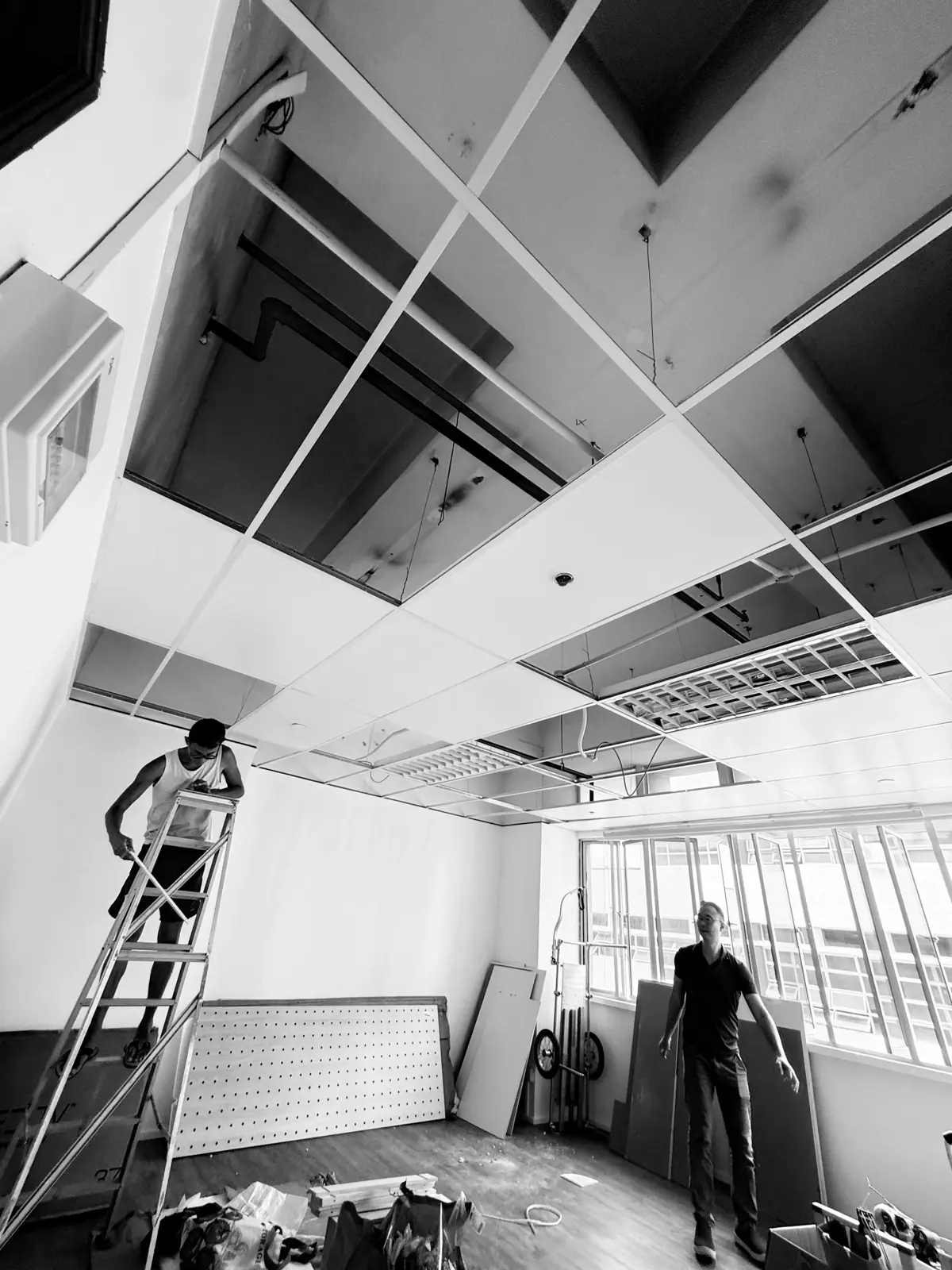
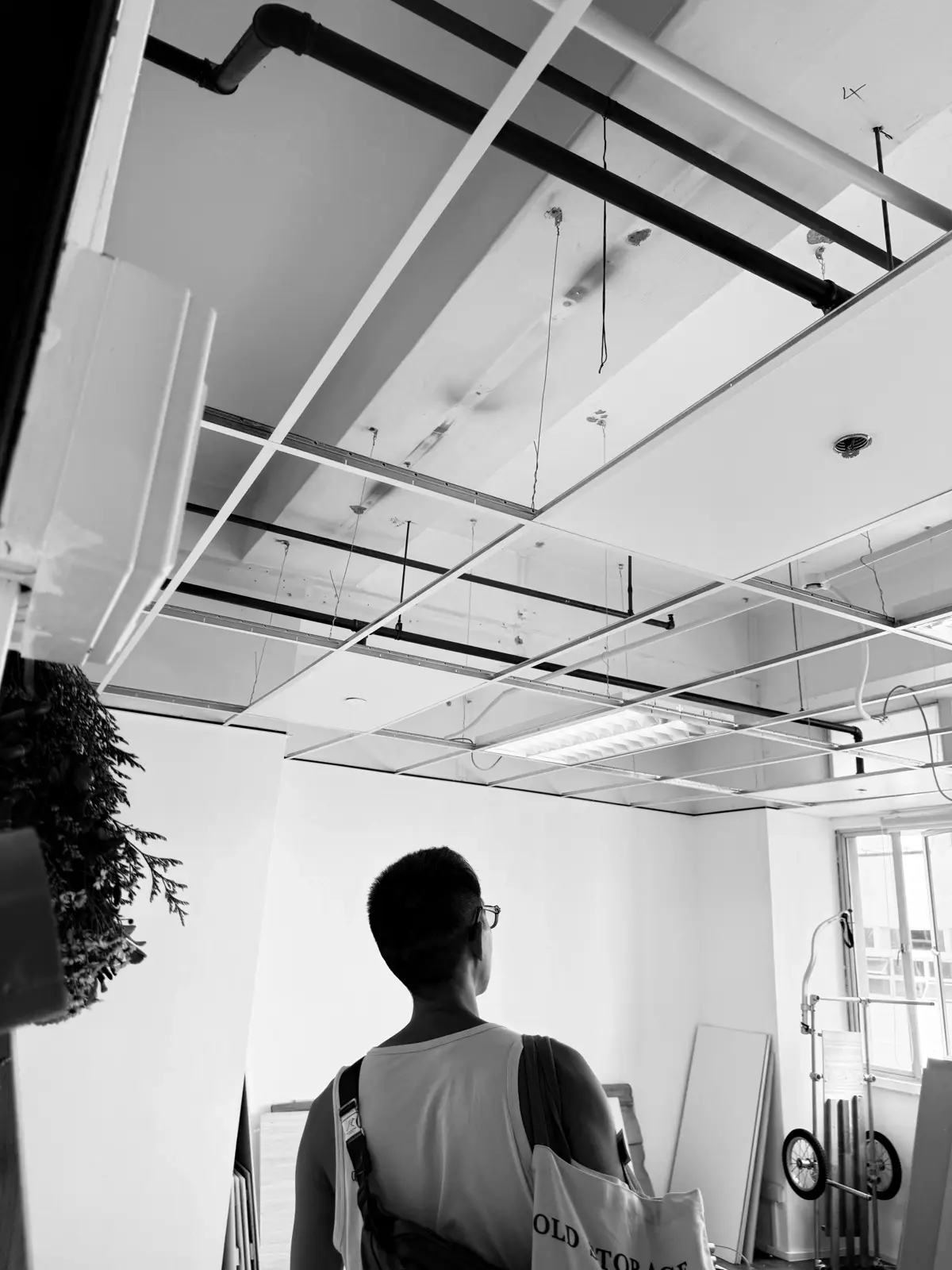
For a while, the ventures inside KWHD operated without a shared home. Pink Guerilla building games. Capsule 9 prototyping products. Scaffolds running education programmes across schools and community spaces. Each doing real work — but scattered. No common ground where the disciplines could meet, collide, and make something together. That changed when we found the unit at 3 Pemimpin Drive, 6th floor.
KWHD (Ke Wai Huo Dong Pte Ltd) is a Southeast Asia based venture builder operating at the intersection of education, design, and creative production. Its ventures include Pink Guerilla (indie game development), Capsule 9 (product design and prototyping), and Scaffolds (social-impact experiential education). KWHD Studios is the physical space where all three come together.
1.What did you actually need that you didn't have?
Not a showroom. Not a polished studio for photoshoots. A place to actually work. We needed a woodworking space, a ceramics workshop, an art studio that could double as a gallery, and a room for 3D printing and prototyping. A place where the team could be in the same room — and where that proximity would produce things that wouldn't happen otherwise.
2.How are you approaching the build?
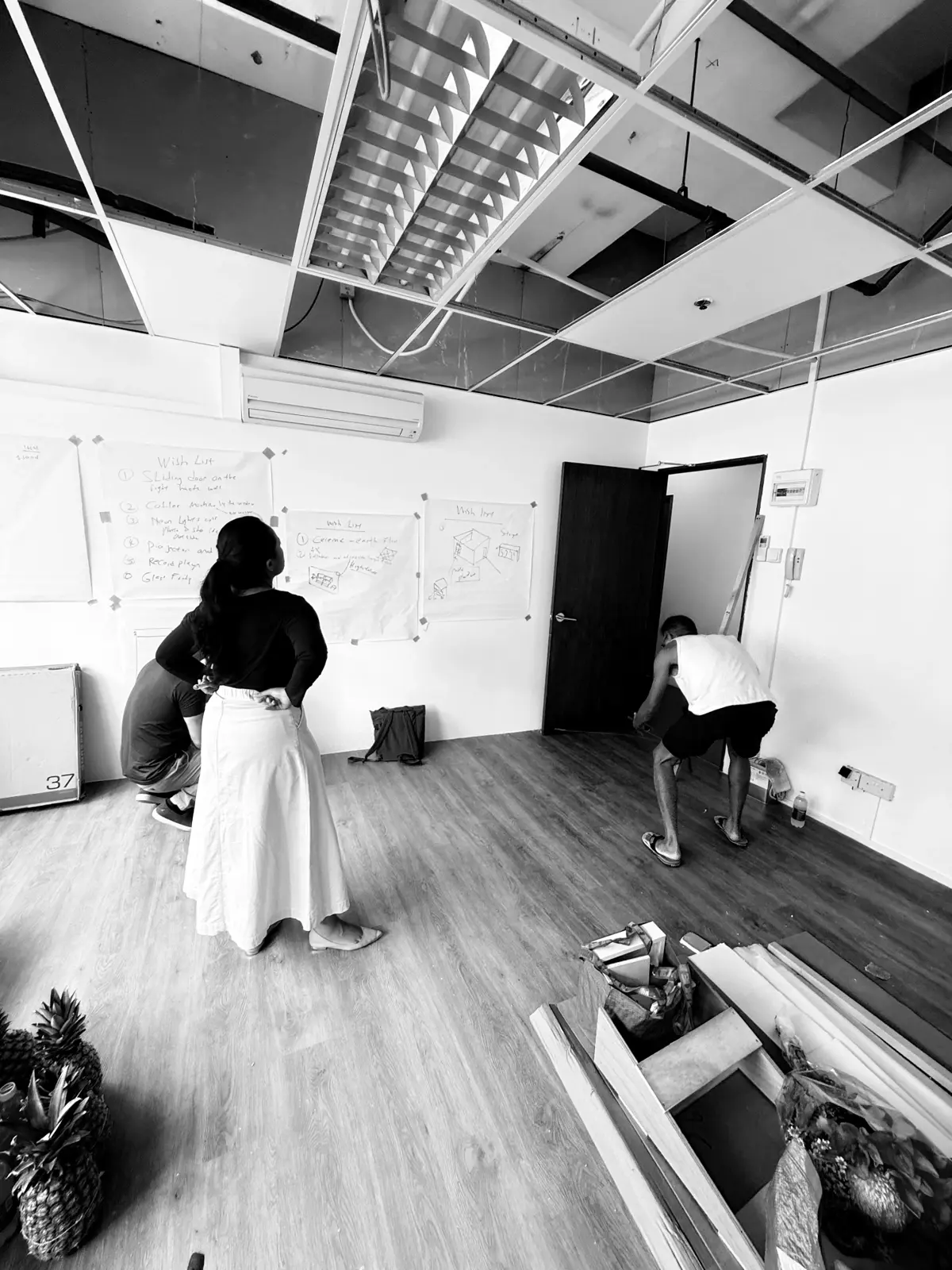
We're doing it ourselves. Sourcing the materials, laying the floor, building the furniture. Not because we have to — because it's consistent with everything we believe about making things. The aesthetic sits between industrial and Art Deco. Raw bones — concrete, steel, exposed fittings — but with geometric discipline and craft in every detail. The anchor is an earthen clay floor, laid in sections and divided by wood plank partitions.
3.What does sustainability mean in this context?
We're treating the circular economy as a design constraint, not a compromise. If a second-hand piece works, we source it and adapt it. Our fridge cost $30. The tools we won't compromise on are the ones that drive output — the kiln, the 3D printers — everything around them is a product of resourceful thinking. It's about proving that a high-functioning studio can be built without new consumption as the default answer.
Connect

Ben Kee
Ben is the founder of KWHD Singapore, a creative and maker studio in Singapore. He writes about arts, craft, makers and the spaces they build for Scaffolds Stories.